PFAS, PFOA & PFOS in Your Drinking Water
They're called "forever chemicals" because they don't break down — not in the environment, and not in your body. Here's what they are, what the EPA rules say right now, and how to remove them from your Southwest Florida home's water.
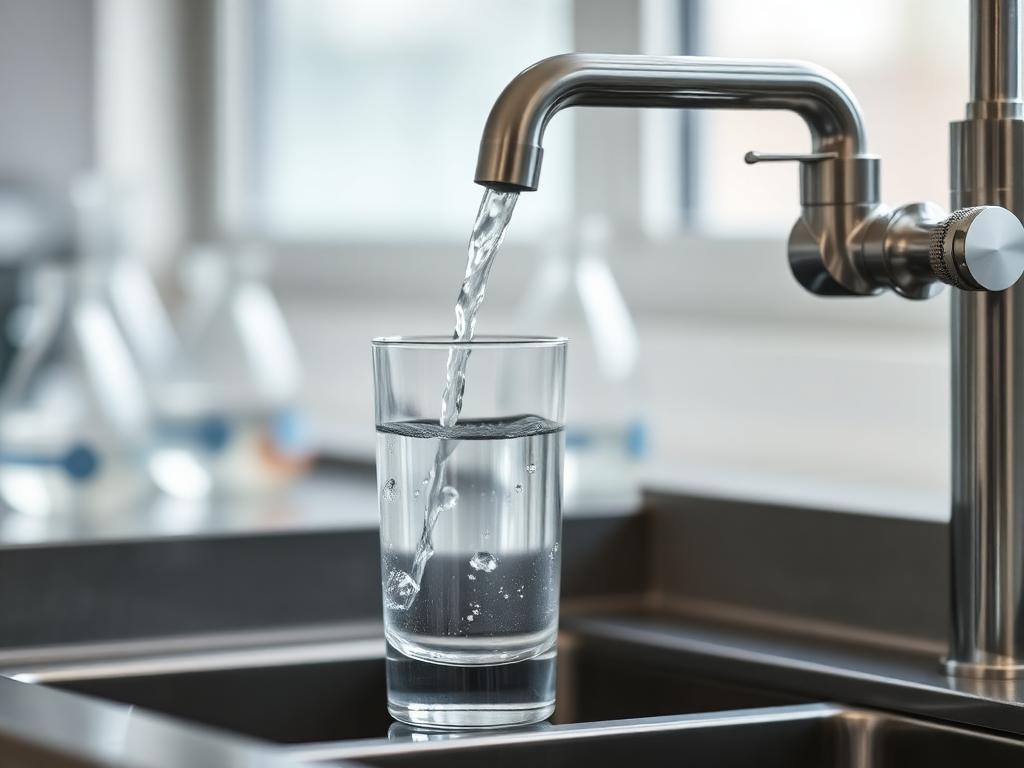
What are PFAS, PFOA, PFOS, and PFCs?
PFAS (per- and polyfluoroalkyl substances) are a family of thousands of man-made chemicals built around an extremely strong carbon–fluorine bond that makes them nearly indestructible. PFOA and PFOS are the two most-studied members; PFC (perfluorinated compounds) is an older umbrella term for the same family. For decades they've been used in nonstick cookware, water- and stain-resistant fabrics, food packaging, and firefighting foam. Because they don't degrade, they build up in soil, water, and people over time.
How PFAS get into your water
PFAS reach drinking water mainly through industrial discharge, landfills, and firefighting foam — which is why contamination is often worst near military bases, airports, and industrial sites. They seep into groundwater and, because they don't break down, they stay there. PFAS have been detected in public water systems across Florida, including near such sites, and they can't be seen, tasted, or smelled.
Why PFAS are a health concern
Research links long-term PFAS exposure to a range of serious health effects, including:
- Increased risk of certain cancers (notably kidney and testicular)
- Liver and thyroid effects and higher cholesterol
- Reduced immune response (including to vaccines)
- Developmental effects, low birth weight, and reproductive effects
Because PFAS accumulate and persist in the body for years, even low levels over time are a concern — which is the basis for the EPA's strict limits.
What the EPA rules say (and what's changing)
In April 2024, the EPA set the first-ever national PFAS drinking water limits, including a Maximum Contaminant Level of 4 parts per trillion (ppt) each for PFOA and PFOS — with a health goal of zero. (Four ppt is astonishingly small: roughly four drops in 20 Olympic-sized pools.)
In 2025–2026, the EPA proposed keeping the 4 ppt limits for PFOA and PFOS but extending the deadline for utilities to comply to 2031, and rescinding the limits for four other PFAS (PFHxS, PFNA, GenX, and the mixture Hazard Index). These are proposals still working through the rulemaking process — the 2024 limits remain in force as written for now.
Two things matter for you: the science behind the 4 ppt PFOA/PFOS limits hasn't changed, but utilities may have until 2029–2031 to fix exceedances — so your tap water can legally contain PFAS in the meantime. And federal limits apply to public water systems, not private wells. For the latest status, check the EPA's PFAS pages, since the rules are actively evolving.
Testing for PFAS
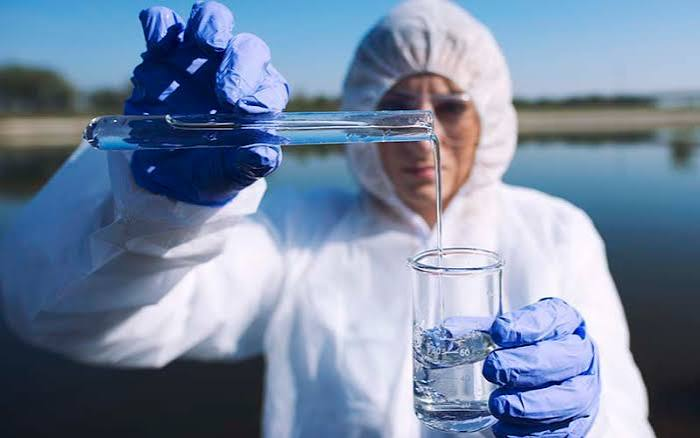
You can't detect PFAS by sight, taste, or smell, and they aren't part of a basic water test — confirming them requires a specialized certified-lab test that measures in parts per trillion. If you're near a known source, on a private well, or simply want certainty, a specialist can help you arrange the right PFAS lab analysis.
How to remove PFOA, PFOS & PFCs from your water
The good news: PFAS can be reduced with the right technology. The EPA recognizes three proven approaches. Look for systems certified to NSF/ANSI Standard 53 (PFOA/PFOS reduction) or 58 (reverse osmosis). Ordinary pitcher and refrigerator filters usually do not remove PFAS unless they're specifically certified to.
Reverse Osmosis
One of the most effective options for drinking water. Our RO systems reduce PFAS and many other contaminants at the kitchen tap. Look for NSF/ANSI 58 certification.
Granular Activated Carbon (GAC)
Widely used in whole-home filtration. Specialty carbon blocks certified to NSF/ANSI 53 for PFOA/PFOS reduction are effective for the whole house.
Ion Exchange Resins
Highly effective for PFAS specifically — often used alongside carbon in advanced point-of-entry systems for homes with confirmed contamination.
Find out where you stand
Inti Water's WQA-certified specialists test your water on-site across Cape Coral, Fort Myers, and Naples, explain your full water profile in plain English or Spanish, advise on specialized PFAS lab testing if you're concerned, and recommend the right treatment — with no obligation and no sales pressure.
Frequently asked questions
Get clarity on the "forever chemicals" in your water — start free.
Book a no-obligation in-home test with a local WQA-certified specialist, results in about 30 minutes, plus guidance on PFAS lab testing if you want it.
- WQA-certified local specialists
- On-site testing in ~30 minutes
- Guidance on certified PFAS lab analysis
- Serving Cape Coral, Fort Myers & Naples
Serving Cape Coral, Fort Myers & Naples