Lead in Your Drinking Water
You can't see it, taste it, or smell it — and there is no safe level, especially for children. Here's what every Southwest Florida homeowner should know, and how to find out if it's in your water.

How lead gets into your water
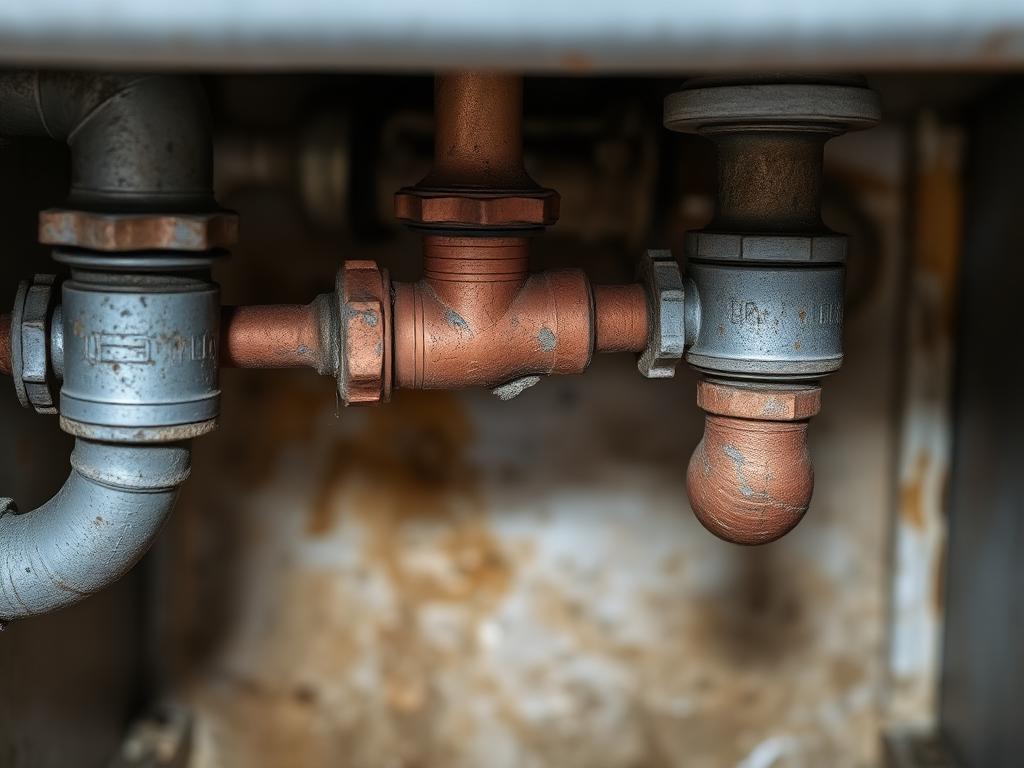
Lead is rarely in the source water itself. It almost always enters tap water through the corrosion of plumbing — older service lines, pipes, solder, and even brass fixtures and faucets. Because it leaches in after the treatment plant, lead is a problem that happens right in your own home, which is why it has to be measured at your tap, not at the utility.
Why lead is so dangerous
Lead is a serious health concern. The EPA's health goal for lead in water is zero, and the CDC and the American Academy of Pediatrics agree there is no known safe level of exposure — the effects are most severe for the most vulnerable.
Babies, children & pregnancy
Even small amounts can cause developmental delays, reduced IQ, shorter attention span, learning difficulties, and behavioral problems — and the damage can be permanent.
Infants on formula
Particularly exposed, because water can make up 40–60% of their total lead intake.
Adults — long-term exposure
Years of lead-contaminated water can contribute to high blood pressure, kidney problems, and cardiovascular effects.
Is your home at risk?
Even "lead-free" plumbing isn't truly lead-free. Before 2014, fixtures legally labeled lead-free could contain up to 8% lead; the standard was only tightened to a weighted average of 0.25% in 2014 — so newer brass fixtures can still leach some lead, especially in the first months after installation. Corrosive (acidic) well water pulls more lead out of household plumbing, so private wells in SW Florida aren't automatically safe.
- Home built before 1986 — more likely to have lead pipes or lead solder
- Fixtures installed before 2014 — could legally contain up to 8% lead
- New brass fixtures — can still leach some lead in the first months
- Corrosive (acidic) well water — pulls more lead from household plumbing
- Visible lead pipe — a dull gray metal soft enough to scratch with a key
- Frequent leaks or other signs of corrosion in your plumbing
What the new EPA rules say
In October 2024, the EPA finalized its Lead and Copper Rule Improvements (LCRI) — the strongest federal lead-in-water rule in decades. It lowers the lead action level from 15 ppb to 10 ppb (taking effect in 2027) and requires most water systems to replace all lead service lines within about 10 years.
One critical point: the action level is a system-wide trigger for the utility, not a guarantee for your house. A water system can pass while individual homes — especially those with lead service lines or older plumbing — still have elevated lead at the tap. That's exactly why testing your own home matters.
The only way to know is to test
Since lead is invisible, tasteless, and odorless, testing is the only way to know whether it's in your water — and at what level. The Florida Department of Health recommends private well owners test for lead about every three years, and any home with young children, older plumbing, or a known lead service line should test sooner.
How to reduce lead at home
Use cold water for drinking, cooking, and formula, and flush the tap before use if water has been sitting. For lasting protection, pair the right filtration with corrosion control where needed.
Reverse Osmosis
One of the most effective point-of-use ways to remove lead from drinking and cooking water — installed at the kitchen tap.
Whole-Home Filtration
For corrosive well water, a neutralizer / corrosion-control filter reduces how much lead leaches from your plumbing in the first place.
Look for NSF/ANSI 53
Filters certified to NSF/ANSI Standard 53 for lead reduction are essential — not every filter removes lead.
Related reading: Bacteria, protozoa & viruses in water.
Test your water — for your family's peace of mind
Inti Water's WQA-certified specialists test your water on-site across Cape Coral, Fort Myers, and Naples, explain exactly what's in it in plain English or Spanish, and recommend the right protection — with no obligation and no sales pressure. If you have young children at home, it's worth knowing for certain.
Frequently asked questions
Know for certain what's in your family's water — free.
Get a no-obligation in-home test from a local WQA-certified specialist, with results in about 30 minutes.
- WQA-certified local specialists
- On-site testing in ~30 minutes
- English & Spanish — no sales pressure
- Serving Cape Coral, Fort Myers & Naples
Serving Cape Coral, Fort Myers & Naples