Iron, Rust & Sediment in Your Water
Spent money on fabric softeners, stain removers, even vinegar in the washer to stop your white clothes from turning orange? You're treating the symptom — the real problem is in your water.
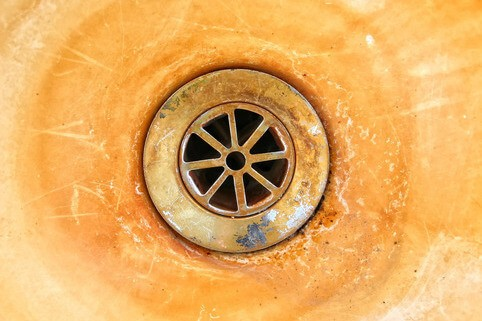
Why your water stains everything orange
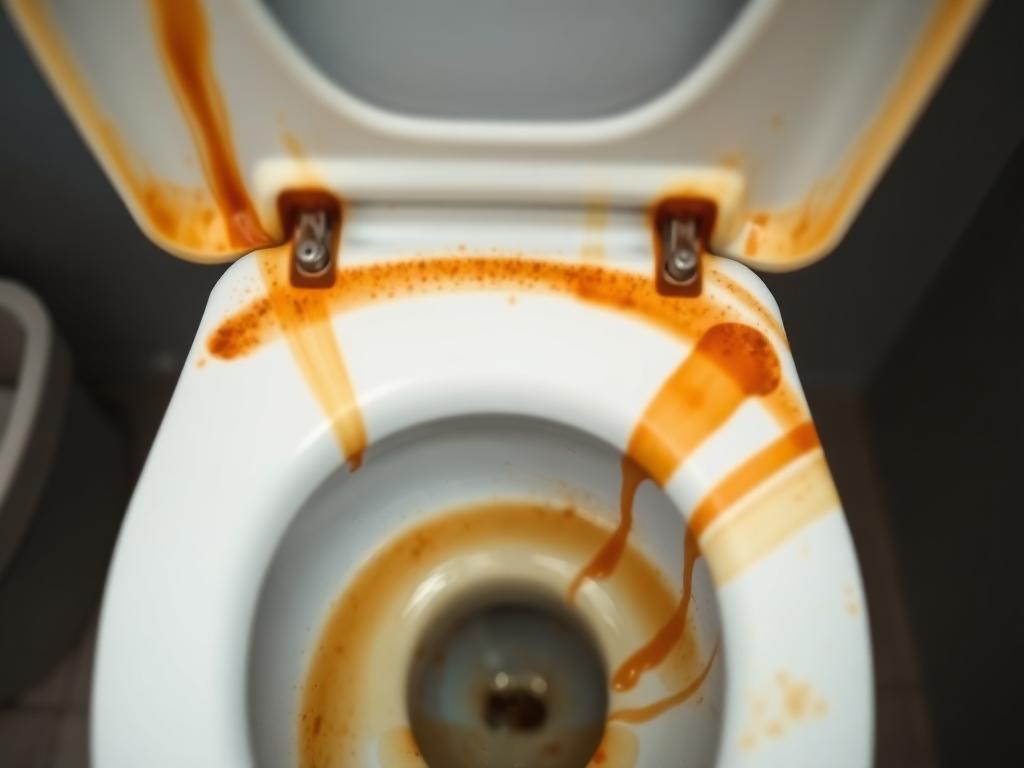
If your sinks, tubs, and toilets have stubborn orange or reddish-brown stains, your laundry comes out dingy, and your water has a metallic taste, the culprit is almost always iron — often joined by sediment and sometimes a rotten-egg sulfur smell. It's one of the most common well-water problems in the country, and it's especially common in Southwest Florida.
Is iron in water dangerous?
Here's the honest answer: at the levels usually found in homes, iron is not a health hazard — it's actually an essential nutrient. The EPA classifies it as a secondary (aesthetic) contaminant with a recommended limit of 0.3 mg/L, based on taste and staining rather than health. (The main exception is people with hemochromatosis, who should limit iron.) The real cost is to your home and budget: ruined laundry, stained fixtures, clogged pipes, metallic-tasting water, and early appliance failure.
The types of iron — and why it matters for treatment
This is the part most homeowners (and some salespeople) get wrong. Iron comes in different forms, and each one needs a different fix. Installing the wrong system is wasted money.
Ferrous iron
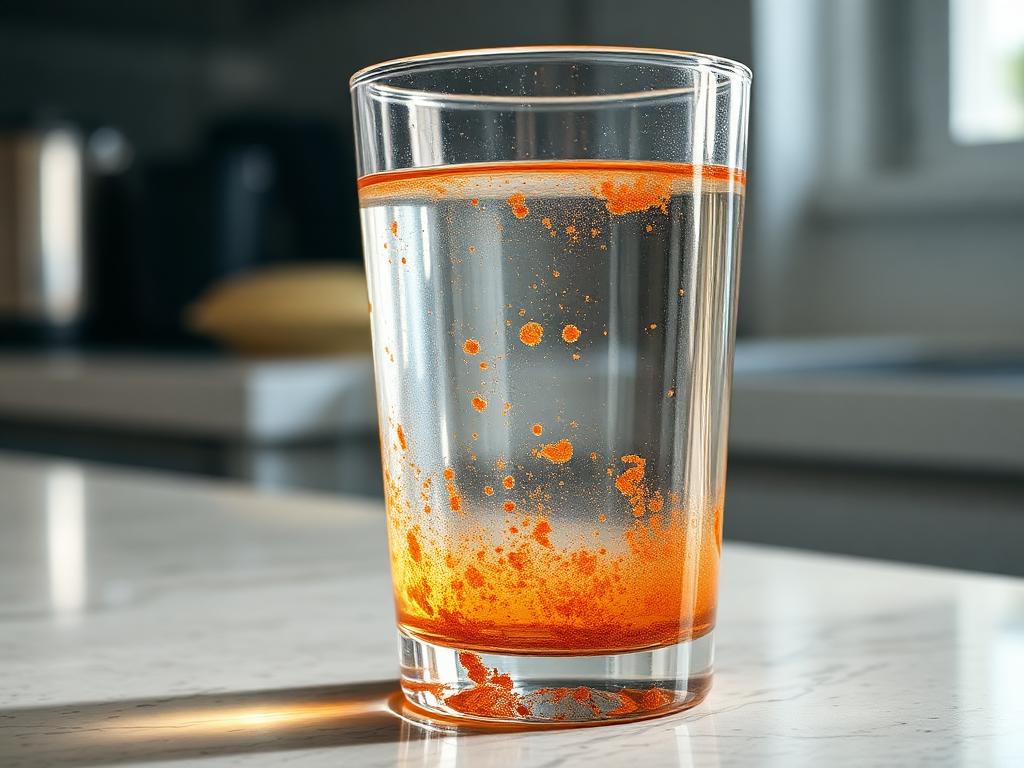
Dissolved and invisible — the water looks clear from the tap, then turns orange or brown after it sits in a glass, tub, or toilet. The most common form.
Ferric iron
Already oxidized — the water comes out visibly rusty or orange, often with particles you can see settle to the bottom.
Iron bacteria
A slimy, reddish-brown buildup inside toilet tanks and pipes, sometimes with a musty or swampy odor. Harmless to drink but it clogs plumbing.
Manganese
Causes black or dark-brown staining instead of orange. The EPA secondary limit is just 0.05 mg/L — small amounts cause big stains.
Sediment
Common in wells — abrasive particles that clog fixtures and shorten the life of appliances and water heaters.
Sulfur (H₂S)
If the staining comes with a rotten-egg smell, you're likely dealing with hydrogen sulfide too — a frequent travel companion to iron in SW Florida wells.
Signs you have an iron or sediment problem
If any of these sound familiar, your water likely has iron, sediment, or both — and a free in-home test pinpoints exactly which type and how much.
- Orange, red, or brown stains in sinks, tubs, and toilets
- Clear water that turns rusty after sitting
- Rust-colored or cloudy water straight from the tap
- A metallic taste
- Stained or dingy laundry, especially whites
- Slimy reddish-brown buildup in the toilet tank
- A rotten-egg (sulfur) smell
Why Southwest Florida wells are prone to it
Across Cape Coral, Fort Myers, and Naples, many homes draw from private wells fed by the region's limestone and sandy aquifers. As that groundwater moves through iron-bearing rock and soil, it picks up iron, sulfur, and sediment — which is why rust stains and that rotten-egg smell are such common complaints on local well water.
The fix depends on the type — so test first
A water softener handles low levels of dissolved (ferrous) iron through ion exchange. Oxidation / air-injection filters are right for moderate-to-high iron — best paired with whole-home filtration for sediment and sulfur. Iron bacteria usually require well disinfection (shock chlorination) before filtering. Reverse osmosis at the kitchen tap removes dissolved iron for clean, great-tasting drinking water. Because the wrong system won't solve the problem, identifying which type (and how much) you have is the essential first step.
Whole-Home Filtration
Air-injection / oxidation systems and sediment filtration for moderate-to-high iron, sulfur, and sand.
Water Softener
Handles low levels of dissolved iron alongside hardness — protects fixtures, appliances, and laundry.
Reverse Osmosis
At the kitchen tap for clean, great-tasting drinking and cooking water — no metallic taste.
Stop guessing — and stop wasting money
You don't want to waste another dollar on stain removers, or ruin one more shirt. Inti Water's WQA-certified specialists test your water on-site, pinpoint exactly which type of iron and sediment you're dealing with, and recommend the right fix the first time — explained in plain English or Spanish, with no obligation and no sales pressure.
Frequently asked questions
Find out exactly what's staining your water — free.
Get a no-obligation in-home test from a local WQA-certified specialist, with results in about 30 minutes.
- WQA-certified local specialists
- On-site testing in ~30 minutes
- English & Spanish — no sales pressure
- Serving Cape Coral, Fort Myers & Naples
Serving Cape Coral, Fort Myers & Naples