Hard Water in Southwest Florida
You get a bill from the water company every month — but hard water can cost you far more than that, quietly, where you can't see it: inside your water heater, dishwasher, washing machine, and pipes.
What is hard water?
Hard water simply means water with a high level of dissolved minerals — mainly calcium and magnesium. It's measured in grains per gallon (gpg). It isn't a health hazard (those minerals are harmless to drink), but what they do to your home is another story. As hard water heats and flows, the minerals leave behind a rock-like scale that builds up on heating elements, fixtures, and inside appliances.
Is SW Florida water hard?
It depends on where your water comes from — which is exactly why testing matters. City water varies across the region: Cape Coral's municipal supply runs around 4–6 grains per gallon (moderately hard), while parts of Fort Myers are closer to 2 gpg (soft). But private well water — very common across Southwest Florida — is often much harder, because it pulls straight from the area's limestone aquifers without softening. The only way to know your home's exact hardness is to test it.
3 ways hard water is costing you money
Independent research by the Water Quality Association and Battelle Memorial Institute measured exactly how much hard water hurts your wallet. Here's what they found.
Less efficient appliances
Scale insulates water-heater elements so they burn more energy to heat the same water. WQA/Battelle research found hard water cut water-heater efficiency by up to 48% — a hit that shows up on your power bill every month.
Wasted soap & detergent
Hard water keeps soap from lathering and rinsing properly. The same study found softened water let washing machines use about half the detergent and dishwashers up to 70% less — savings that add up across a year.
Shorter appliance life
On hard water (26 gpg), tankless water heaters failed completely after just 1.6 years from scale clogs. On softened water, the same units held factory efficiency for up to 15 years — and warranties often exclude scale damage.
The hidden bill on your appliances
In WQA/Battelle testing, tankless water heaters running on hard water at 26 gpg failed completely after just 1.6 years due to scale clogging the plumbing. The same units, fed with softened water, held their factory efficiency for up to 15 years.
Dishwashers and washing machines tell a similar story — shorter lives, dingier dishes, stiffer laundry, and more detergent down the drain. And most appliance warranties exclude "damage from scale or water quality," so when an early failure happens, it's on you.
Signs you have hard water
If any of these sound familiar, you're likely dealing with hard water — and a quick test confirms exactly how bad it is.
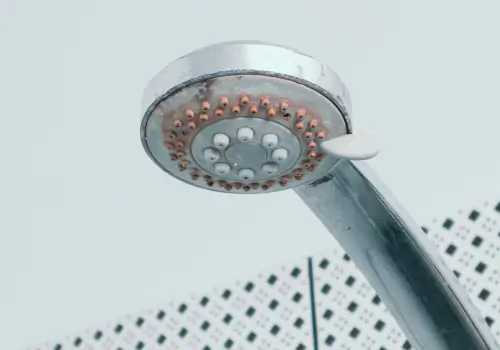
- Crusty white mineral buildup on faucets, fixtures, and showerheads
- Spots on glasses, dishes, and silverware that won't rinse off
- Soap scum on tubs, shower doors, and curtains
- Dry, itchy skin and limp, dull hair after showering
- Faded, stiff laundry
- A water heater that fails sooner than it should
The fix: soften and protect
The right system depends on your water source and your exact hardness level — which is what the free test reveals.
Water Softener
Ion exchange removes the calcium and magnesium that cause scale — protecting appliances, cutting soap use, and leaving skin and hair softer.
Whole-Home Filtration
For well water, filtration also tackles the iron, sulfur, and sediment common in SW Florida wells.
Reverse Osmosis
At the kitchen tap for clean, great-tasting drinking and cooking water.
Know your number before you buy
Don't guess and don't overpay for a system you don't need. Inti Water's WQA-certified specialists test your water on-site across Cape Coral, Fort Myers, and Naples, show you your exact hardness and what's in your water, and explain it all in plain English or Spanish — no obligation, no sales pressure.
Frequently asked questions
See exactly how hard your water is — free.
Get a no-obligation in-home test from a local WQA-certified specialist, with results in about 30 minutes.
- WQA-certified local specialists
- On-site testing in ~30 minutes
- English & Spanish — no sales pressure
- Serving Cape Coral, Fort Myers & Naples
Serving Cape Coral, Fort Myers & Naples